
Automotive OEM Partners

Geely Auto
Jun 12, 2026
Share:
Project Overview:
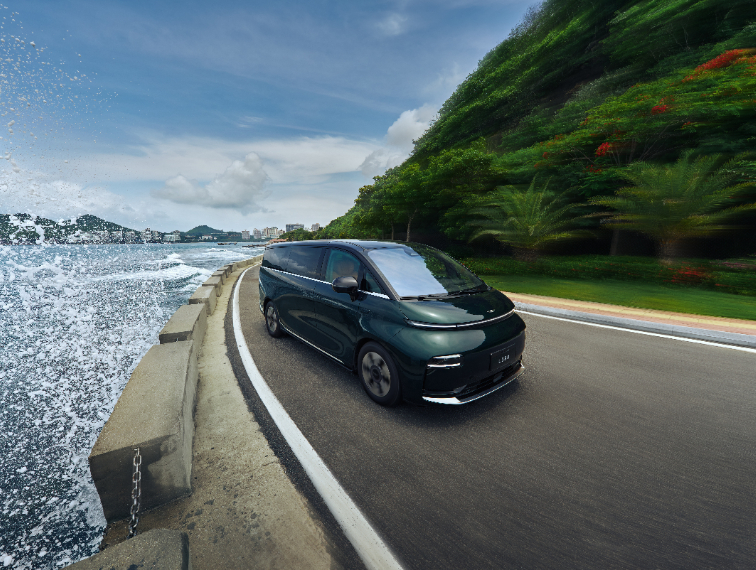
The L380, the first luxury all-electric MPV from Geely LEVC Yizhen, officially launched in July 2024.
As a flagship all-electric MPV designed for the high-end business travel market, the L380 positions safety, comfort, and intelligent features as its core competitive advantages, with a commitment to creating a new generation of premium mobile travel spaces.
To further enhance the vehicle’s safe driving capabilities at night and in complex weather conditions, the L380 is equipped with the NVS Beyond-Line-of-Sight Intelligent Infrared Night Vision System developed by VEHIR.
Based on advanced infrared thermal imaging technology, this system provides drivers with a broader and more stable view of the road through long-range target detection and all-weather environmental awareness.
Additionally, the L380 is the first in the premium MPV sector to achieve deep integration between the infrared night vision system and the AR-HUD head-up display system. It innovatively projects night vision imagery and A-pillar blind spot monitoring information directly into the driver’s optimal field of view, further enhancing driving safety and the human-machine interaction experience.
Project Background and Challenges:
High-end MPV users have higher expectations regarding vehicle safety.
Typical usage scenarios include:
· Business hospitality
· Long-distance highway travel
· Nighttime driving
· Driving in rain or snow
· Airport and intercity transfers
· Family trips with multiple passengers
In these scenarios, drivers often face the following challenges:
Insufficient Nighttime Visibility:
Traditional headlights have a limited range.
When driving at high speeds:
· Insufficient time to spot pedestrians
· Limited vehicle detection range
· Delayed obstacle detection
Effects of Adverse Weather Conditions
Including:
· Heavy fog
· Snow and wind
· Dust and sand
Traditional visual systems are susceptible to environmental interference.
Interference from Bright Light and Glare:
Typical scenarios:
· Oncoming traffic at night
· High beams on the highway
· Tunnel entrances and exits
These conditions impair the driver’s ability to see clearly.
The A-pillar Blind Spot Issue:
Due to the structural characteristics of MPVs:
The A-pillar area is prone to creating blind spots.
This poses safety hazards during maneuvers such as turning and changing lanes.
Solution:
To meet the application requirements of the L380 high-end MPV, VEHIR offers the NVS Beyond-Line-of-Sight Intelligent Infrared Night Vision System solution.
The system utilizes infrared thermal imaging technology to generate real-time thermal images by detecting thermal radiation from targets.
Leveraging the advantages of infrared sensing, it provides all-weather environmental awareness.
Combined with an AR-HUD display system, it seamlessly integrates sensory information with the driver’s field of view.
Core System Features:
Extreme-Range Detection
The NVS system is capable of detecting targets at long ranges.
Known Capabilities:
Imaging Range
300 meters
Helps drivers detect potential hazards in advance.
All-Weather Environmental Awareness:
The system is capable of operating in:
· Foggy conditions
· Snow and wind
· Dust storms
· Nighttime environments with no light
Ensuring stable operation in all weather conditions
Resistant to Strong Light Interference:
The system does not rely on visible light.
Effectively handles:
· High-beam interference
· Environments with intense glare
· Sudden changes in light conditions
Hot Target Detection:
The system can detect:
· Pedestrians
· Vehicles
· Animals
Road obstacles
AR-HUD Integrated Display Solution:
Industry Innovation Highlights
The L380 is the first production model in the premium MPV segment to feature:
an infrared night vision system + AR-HUD integrated display.
Night Vision Information Display on the Windshield:
Infrared thermal imaging is displayed directly in the AR-HUD area.
Drivers no longer need to look down frequently at the instrument panel or center display.
A-Pillar Blind Spot Monitoring Integration:
Innovative system integration:
· A-pillar blind spot monitoring
· Infrared night vision display
Enhances the driver’s situational awareness
Optimizing Driver Visibility:
Features:
· Forward-facing display of information
· Reduced need to shift gaze
· Enhanced driver attention
Improves safe driving efficiency.
System Integration Highlights:
Infrared Sensing System
Responsibilities:
· Environmental sensing
· Thermal imaging generation
· Detection of high-risk targets
AR-HUD System:
Responsibilities:
· Projection of information
· Alerts for potential hazards
· Display of driver assistance information
Project Value:
For Automakers
· Build differentiated competitive advantages in the premium MPV segment
· Enhance active safety features
· Strengthen innovation capabilities in smart cockpits
For End Users:
·Improved safety during nighttime driving
·Enhanced performance in adverse weather conditions
·Reduced risk of blind spots caused by the A-pillars
·Enhanced driving comfort
Project Achievements:
The L380 has successfully achieved:
·Mass production and application of the NVS beyond-line-of-sight intelligent infrared night vision system
·Thermal imaging capability at ultra-long ranges of 300 meters
·All-weather environmental awareness capabilities
·Deep integration of infrared night vision and AR-HUD
·Integration of A-pillar blind spot monitoring with night vision display
Further advancing the commercial application of infrared thermal imaging technology in the high-end new energy MPV sector.
Project Highlights Summary:
Luxury All-Electric MPV Mass Production Project
Geely LEVC Yizhen L380.
NVS Beyond-Line-of-Sight Intelligent Infrared Night Vision System
300-meter ultra-long-range thermal imaging capability.
All-Weather Environmental Awareness
Adaptable to complex weather conditions such as rain, snow, fog, and sandstorms.
AR-HUD Integrated Display
Industry-leading display and interaction solution.
Integrated A-Pillar Blind Spot Monitoring
Enhances driving safety.
Safety Upgrades for High-End Business Travel
Creating a mobile safety fortress.
Dedicated to the development of global in vehicle infrared technology
If you would like to learn more about safe driving solutions, please contact us
News


