Why Infrared for Automotive Safety

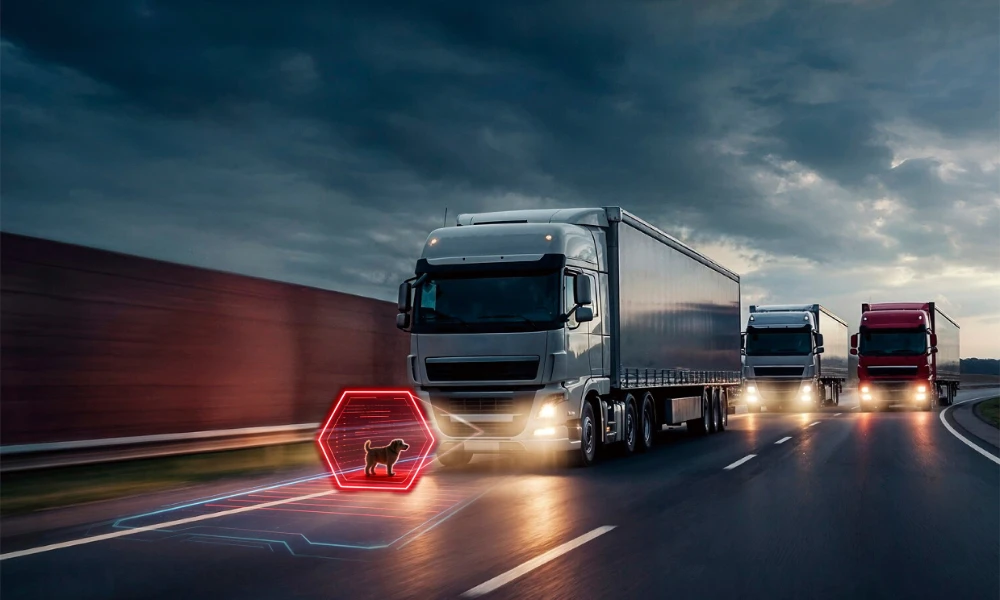
Detection of living organisms such as humans and animals

Infrared thermal imaging detects living organisms such as pedestrians, cyclists, and animals based on heat signatures—not just appearance. This enables early recognition even when they are partially obstructed by vegetation or roadside elements.

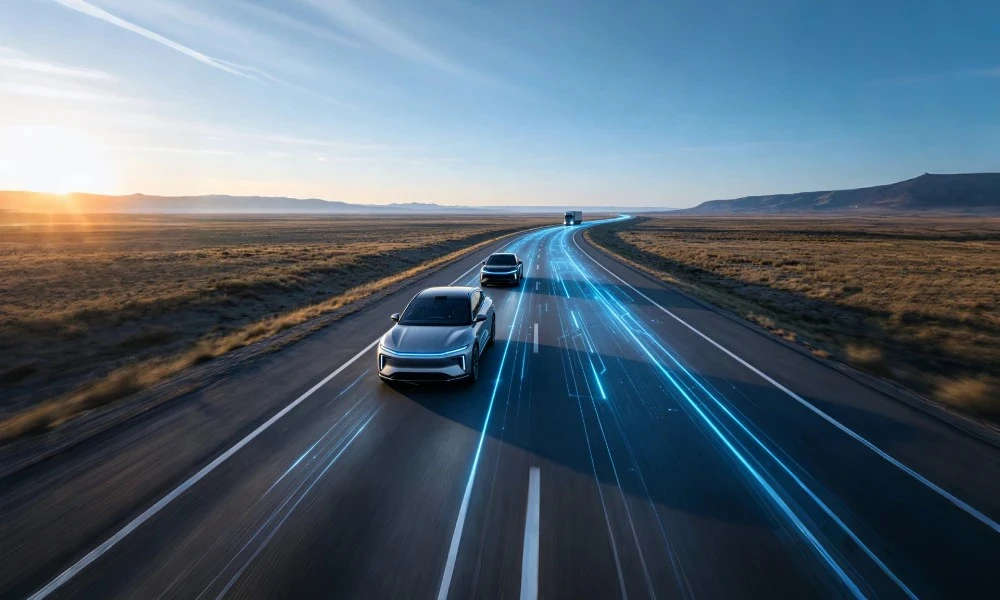
Completely independent of ambient light, operating stably in darkness and complex lighting conditions

Adaptability to adverse weather conditions such as heavy fog

Professional Grade Aftermarket

Professional Automotive Thermal Cameras for Aftermarket Vehicles

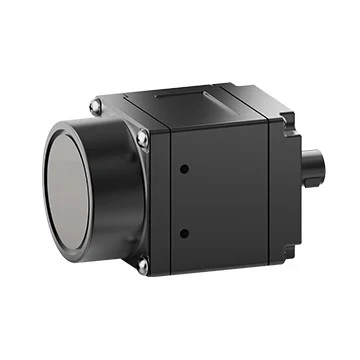
VEHIR provides professional automotive thermal cameras for aftermarket vehicle applications, commercial vehicles and special-purpose vehicles. Our aftermarket thermal camera solutions combine thermal imaging, AI detection and vehicle-compatible video interfaces for trucks, fleets, construction machinery, mining vehicles and other professional applications.

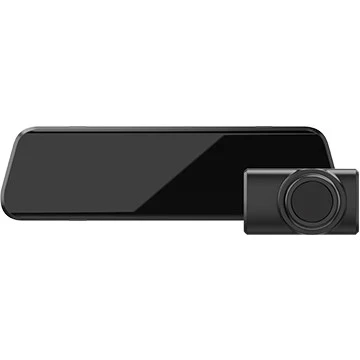
Designed for professional vehicle thermal imaging and aftermarket integration, VEHIR cameras can be evaluated for use with vehicle displays, dashcams, DVR/MDVR systems, fleet safety terminals and other automotive electronics.

For passenger cars and SUVs, see our Consumer Grade Aftermarket thermal night vision products. For OEM and embedded development projects, visit our Automotive Thermal Camera Modules.

View More

Professional Grade Aftermarket

Consumer Grade Aftermarket

Dual-Light Fusion

Tri-Vision Wide-Angle

Driving Assistance

Smart Cockpit

Smart Cockpit

Let safety accompany you like a shadow

View More

Other Products

Other Products

Let safety accompany you like a shadow

View More

Industry Applications

Industry Applications

Let safety accompany you like a shadow

View More

About Us

VEHIR was founded in 2016 and is located in Optics Valley, China.


It is a national high-tech enterprise that integrates research and development, production, and sales, focusing on applying far-infrared technology to the field of intelligent vehicles.

View More
Wuhan Xuanyuan Intelligent Driving Technology Co., Ltd.

20000㎡

MEMS Cleanroom

400+

Core Equipment

100%

Automated Vehicle Production Line

1000000+

Annual Production Capacity

Dedicated to the development of global in vehicle infrared technology

If you would like to learn more about safe driving solutions, please contact us
Customer Case

Passenger Vehicle Sector

Passenger Vehicle Sector

OEM Pre-installation with Dongfeng, GAC, FAW, Geely, and other major manufacturers

Commercial Vehicle Sector

Commercial Vehicle Sector

Equipped with VEHIR Driving's infrared thermal imaging system, solving the problems of large blind spots and poor visibility for heavy trucks at night

Special Purpose Vehicle Sector

Special Purpose Vehicle Sector

Equipped with VEHIR Driving's onboard infrared thermal imaging safety system, covering various scenarios such as smart highways, intelligent urban management, sanitation supervision, public security special police
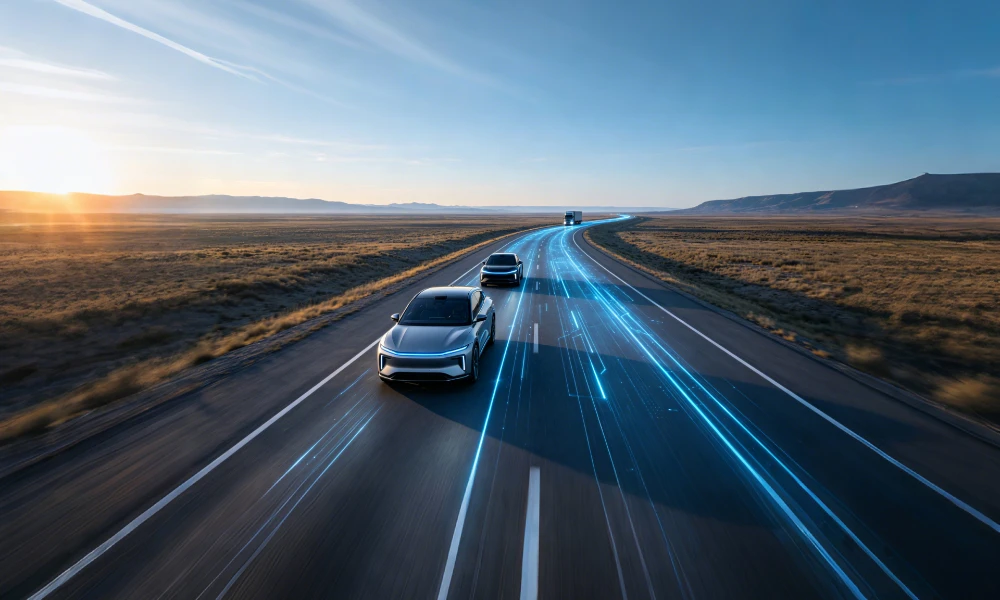
Passenger Vehicle Sector
Commercial Vehicle Sector
Special Purpose Vehicle Sector

Our Partner

News

How Thermal Imaging Supports Safer Driving in Fog, Glare and Darkness

Thermal Night Vision for SUVs: Is an Aftermarket System Worth It?
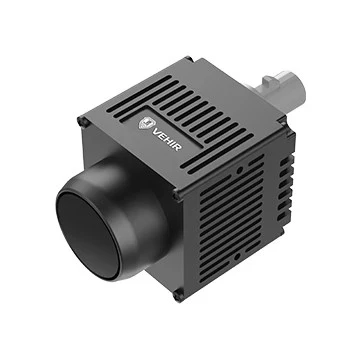
Thermal Camera Retrofit for Existing Fleets: Planning Checklist
Aftermarket Thermal Cameras for Heavy-Duty Trucks: Buying Guide for Fleet Managers
Thermal Camera Systems for Municipal and Sanitation Vehicles
How Automotive Thermal Cameras Help Drivers See Beyond Headlight Range

How Thermal Imaging Supports Safer Driving in Fog, Glare and Darkness

For drivers asking whether an aftermarket automotive thermal camera can help at night, the short answer is yes—but only when it is installed and interpreted correctly. A China automotive thermal camera manufacturer such as VEHIR can supply systems designed for an automotive thermal imaging camera for night driving and a thermal camera for fog driving. Unlike visible-light night vision, a

Nov. 13,2026

Thermal Night Vision for SUVs: Is an Aftermarket System Worth It?

Drivers who struggle to spot pedestrians, deer, livestock, or cyclists beyond the reach of LED headlights may benefit from an aftermarket thermal night vision for SUVs. A reputable china automotive thermal camera manufacturer can provide a compact solution using LWIR sensing, while pedestrian detection, animal detection, and an optional forward collision warning display help the driver interpret

Nov. 11,2026

Thermal Camera Retrofit for Existing Fleets: Planning Checklist

For a fleet operator comparing a thermal camera retrofit for existing fleets, an aftermarket automotive thermal camera installation, or a fleet thermal imaging system upgrade, the decision usually begins with a dark roadside incident, an animal crossing outside the headlamp beam, or a driver struggling to identify a person in rain. A qualified china automotive thermal camera manufacturer can

Nov. 09,2026

Aftermarket Thermal Cameras for Heavy-Duty Trucks: Buying Guide for Fleet Managers

For a fleet manager comparing an aftermarket thermal camera for heavy-duty trucks, the real question is not whether a camera can produce a bright image at night. It is whether the system can help a driver detect a person, animal, disabled vehicle, or overheated component before ordinary headlights or visible-light cameras provide enough contrast. This guide is designed for buyers searching for a

Nov. 05,2026

Thermal Camera Systems for Municipal and Sanitation Vehicles

Aftermarket automotive thermal camera systems help municipal and sanitation vehicles detect people, animals, vehicles, and road hazards in darkness, smoke, dust, and glare. Standard headlights and reverse cameras can lose detail when lighting is poor. A thermal imaging camera detects heat instead of visible light, so it can show a warm person near a dark roadside. Pedestrian detection is

Nov. 03,2026

How Automotive Thermal Cameras Help Drivers See Beyond Headlight Range

With a VEHIR automotive thermal camera, I can improve night-driving awareness by selecting the correct sensor, mounting it properly, calibrating the display, and testing detection performance before relying on it on the road. This step-by-step process helps drivers identify pedestrians, animals, cyclists, and stalled vehicles beyond visible headlight range—while clearly understanding the

Oct. 30,2026