Industry Applications

We provide customized intelligent driving solutions for different industries, promoting the implementation of vehicle intelligence.

Home - Solutions - Industry Applications - Autonomous Driving Field

Autonomous Driving Field

Apr 23, 2026

Share:

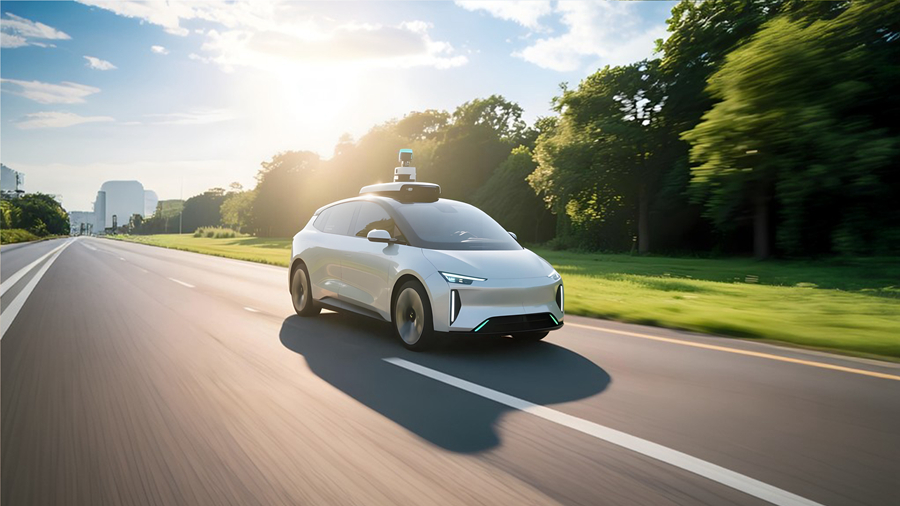
Provides safety redundancy beyond vision for autonomous driving and Robotaxi fields, building all-weather, highly reliable environmental perception capabilities for autonomous driving.


All-Weather Stable Perception: Overcomes the limitations of light and weather, stably identifying various targets in environments such as darkness, glare, and smog.


Enhanced Safety Redundancy: As a temperature difference sensing layer, it accurately identifies targets that traditional sensors struggle to detect, filling perception blind spots.


Expanded Nighttime Operations: Provides reliable perception for nighttime and low-light environments, supporting the all-weather commercial operation of autonomous vehicles.
 

Autonomous Driving Field

Previous:

Embodied Intelligence Field

Next:

Mining Trucks and Construction Machinery Sector

Dedicated to the development of global in vehicle infrared technology

If you would like to learn more about safe driving solutions, please contact us

News

Active vs Passive Night Vision: Which Technology Is Better for Cars
Vehicle-mounted infrared cameras: Safety value and application prospects driven by regulations
How Automotive Night Vision Systems Detect Pedestrians Beyond Headlight Range
All-in-One Thermal Camera Systems: Pros and Cons for Fleet Operators
How to Evaluate Screen Visibility for Daytime Use in Thermal Camera Systems
Mounting Positions for Thermal Cameras with Integrated Displays in Trucks

Active vs Passive Night Vision: Which Technology Is Better for Cars

In an era where road safety is paramount, the need for advanced driving technology has never been more evident. Car owners often ask themselves: “Should I invest in active or passive night vision systems?” This fundamental question emerges from pain points like limited visibility under low-light conditions and the desire for enhanced safety while driving. In scenarios where accidents often

Jul 31,2026

Vehicle-mounted infrared cameras: Safety value and application prospects driven by regulations

Explore how global automotive safety regulations are accelerating the adoption of vehicle-mounted infrared cameras. Learn how LWIR and NIR technologies enhance night vision, pedestrian detection, automatic emergency braking (AEB), and driver monitoring systems for safer intelligent driving.

Jul 30,2026

How Automotive Night Vision Systems Detect Pedestrians Beyond Headlight Range

Navigating at night can pose significant challenges, particularly when it comes to spotting pedestrians beyond headlight range. As a driver, I’ve often felt the anxiety of not being able to see clearly at night, and I’m sure you’ve experienced this too. Fortunately, automotive thermal night vision systems like those from VEHIR are revolutionizing nighttime driving. In this article, I will

Jul 30,2026

All-in-One Thermal Camera Systems: Pros and Cons for Fleet Operators

In today's competitive logistics and transportation industry, fleet operators are increasingly turning to all-in-one thermal camera systems to enhance their operations. These advanced systems, equipped with thermal imaging and video display capabilities, promise improved safety, efficiency, and monitoring. However, understanding the pros and cons of these technologies is crucial for making an

Jul 29,2026

How to Evaluate Screen Visibility for Daytime Use in Thermal Camera Systems

Thermal cameras operate differently in daytime conditions due to light interference. Evaluating screen visibility ensures optimal performance and usability, enabling better decision-making in various scenarios.

Jul 28,2026

Mounting Positions for Thermal Cameras with Integrated Displays in Trucks

Mounting positions for thermal cameras with integrated displays in trucks can greatly affect their efficiency. Proper installation helps drivers monitor their surroundings safely, ensuring a smoother operation. Many truck operators face challenges regarding visibility in low light or adverse weather conditions. This is where thermal imaging plays a crucial role. These cameras allow for real-time

Jul 27,2026