
Industry News

Aug 25, 2026
Share:
Connecting a thermal camera to an existing fleet monitoring system can enhance vehicle safety and efficiency. Many fleet managers struggle to integrate new technology while maintaining current operations. A thermal camera provides valuable insights into vehicle performance and safety hazards. This type of camera can detect temperature variations, allowing for early detection of potential issues. Moreover, considering wholesale thermal camera modules helps in minimizing costs while boosting capabilities. When combined with a fleet monitoring solution, the benefits become clear. 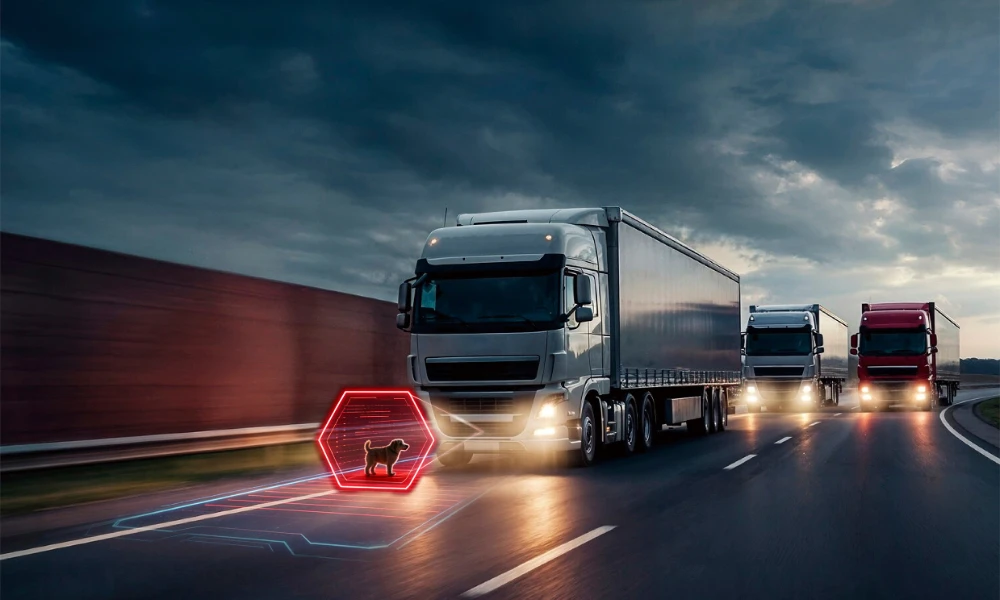
Connecting a thermal camera to an existing fleet monitoring system enhances safety, reduces accidents, and improves vehicle maintenance. This integration helps fleet managers monitor vehicle temperatures and performance in real-time. It can also simplify the identification of safety risks.
Thermal cameras detect heat signatures. This ability enables fleet managers to identify overheating in engines or brakes. Without this early warning, accidents could occur. By monitoring these systems closely, fleets can prevent vehicle failures.
Regular thermal imaging helps in understanding when vehicles require maintenance. This proactive approach saves both time and money. A study shows that fleets using thermal monitoring reported a 30% reduction in unexpected breakdowns.
With real-time data, fleets can optimize routes and schedules. Knowing vehicle conditions helps dispatchers make informed decisions. More efficient operations lead to lower fuel costs and better resource utilization.
Evaluate the capabilities of your existing system. Check compatibility with thermal cameras. Consider software updates that may be needed.
Select a thermal camera module that meets fleet needs. Look for features like resolution, range, and integration capabilities.
Proper installation is critical. Follow manufacturer guidelines for placement to capture optimal data. Make sure all vehicles in the fleet have the cameras installed correctly.
Most modern fleet monitoring systems allow for easy integration. Ensure that the thermal camera's data feeds directly into the monitoring dashboard. Regularly check the data flow for accuracy.
Provide training for drivers and managers. Understanding how to interpret thermal data maximizes the benefits of the camera.
| Feature | Camera Model A | Camera Model B | Camera Model C |
|---|---|---|---|
| Resolution | 320 x 240 | 640 x 480 | 1280 x 960 |
| Temperature Range | -20°C to 300°C | -40°C to 400°C | -50°C to 600°C |
| Integration Capability | High | Medium | High |
| Price | $500 | $800 | $1200 |
Connecting a thermal camera to an existing fleet monitoring system provides numerous advantages. It enhances safety, improves maintenance, and increases overall efficiency. The right thermal camera can lead to significant cost savings and better fleet management. Investing in these technologies is a smart step for any fleet manager looking to improve operations.
A thermal camera captures images based on heat instead of visible light. It is useful for monitoring temperature variations in vehicles.
Integration enhances safety by identifying potential issues early. It also aids in maintenance scheduling and improves operational efficiency.
Choosing a thermal camera depends on diverse factors, including cost, resolution, and integration capabilities. Several models are available that suit various budgets and needs.
Follow the manufacturer's instructions carefully. Ensure optimal placement for capturing necessary data.
Consider resolution, temperature range, and how well it integrates with your existing fleet monitoring system.
Yes, training helps staff understand how to interpret the data effectively, maximizing the benefits of the technology.
Dedicated to the development of global in vehicle infrared technology
If you would like to learn more about safe driving solutions, please contact us
News