
Industry News

Jul 09, 2026
Share:
The cost difference between 384x288 and higher-resolution thermal modules can significantly impact your budget. Many people wonder if the extra investment in higher-resolution thermal cameras is worth it. Understanding thermal imaging technology is essential for making an informed choice. With automotive applications on the rise, knowing how these cameras work can help users make better purchasing decisions. Here is an overview of the typical costs and features of these thermal modules.
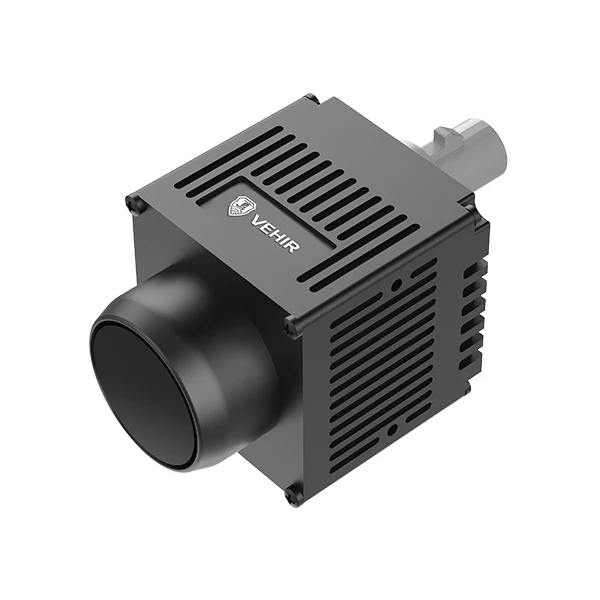
The main cost difference between 384x288 and higher-resolution thermal modules usually arises from the improved image quality, additional features, and sensor sensitivity found in higher-resolution models.
The initial cost is often the first consideration. A 384x288 thermal camera typically costs between $200 to $1,000. In contrast, higher-resolution cameras can range from $1,500 to $6,000 or more. This price difference can deter some buyers.
Higher-resolution thermal cameras may require more frequent software updates and maintenance, leading to higher long-term costs. In contrast, the 384x288 modules tend to have lower maintenance requirements.
Higher-resolution cameras provide clearer images. They can distinguish smaller thermal signatures compared to 384x288 modules. This feature can be crucial in automotive applications where precision matters.
Higher-resolution sensors are usually more sensitive. They detect temperature variations more accurately. In turn, this sensitivity improves incident analysis and overall safety.
Higher-resolution thermal modules come with advanced features such as digital image enhancements. These can further aid in analysis and decision-making from thermal data collected. Meanwhile, 384x288 cameras typically have basic functionalities.
Higher-resolution cameras often have a broader range of applications. These cameras can be used not only in the automotive industry but also in healthcare, security, and industrial settings.
In summary, the cost difference between 384x288 and higher-resolution thermal modules significantly affects both initial purchase prices and long-term expenses. Choosing the right thermal module depends on your specific needs and budget. Higher-resolution cameras provide better images and advanced features but come at a higher cost.
1. Is a 384x288 thermal camera good enough for automotive use? Yes, it can be effective for basic thermal imaging needs.
2. Do higher-resolution thermal cameras require more training? Often, yes, due to their advanced features and settings.
3. Can I upgrade from a 384x288 to a higher-resolution model later? Yes, it is possible, but consider your current needs and costs.
4. How can I determine which camera is right for me? Analyze your specific requirements and budget.
5. What are typical scenarios for using thermal cameras? They are used for diagnostics, safety checks, and system performance evaluations.
6. Are there significant performance differences in varying environments? Yes, higher-resolution cameras often perform better in various environmental conditions.
Dedicated to the development of global in vehicle infrared technology
If you would like to learn more about safe driving solutions, please contact us
News