Industry News

Home - News - Industry News - Detecting Electrical Faults in Vehicles Using a Thermal Camera

Detecting Electrical Faults in Vehicles Using a Thermal Camera

Aug 31, 2026

Share:

Detecting electrical faults in vehicles can be a challenging task, leading to increased repair times and costs. Traditional methods often fall short, but thermal cameras are revolutionizing fault detection, providing a faster, more accurate solution. This article explores how thermal imaging technology can effectively identify electrical issues, showcasing its benefits and practical applications in the automotive industry.

1. Understanding Thermal Cameras and Their Functionality

1.1 What is a Thermal Camera?

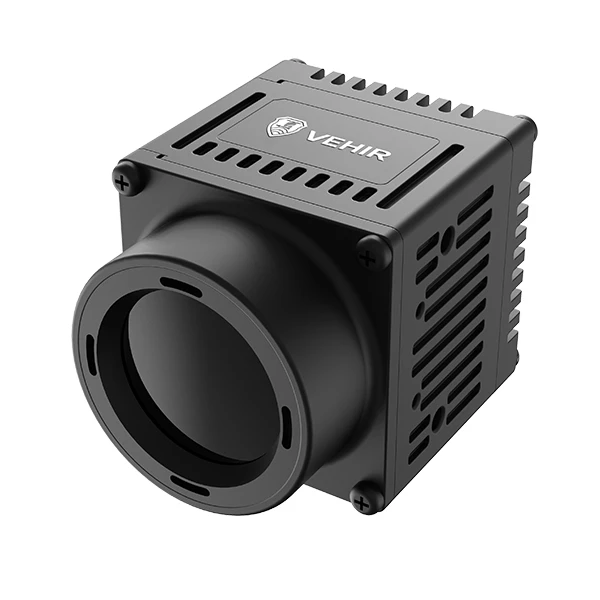
A thermal camera detects infrared radiation emitted from objects, converting it into a visible image. It is particularly effective in identifying heat anomalies caused by electrical faults.

1.2 How Do Thermal Cameras Work?

Thermal cameras operate by sensing temperature differences. When there’s an electrical fault, components may overheat, creating a heat signature that the camera can capture for analysis.

2. Key Benefits of Using Thermal Cameras for Electrical Faults

2.1 Rapid Diagnostics

Thermal cameras allow for quick identification of problematic areas, significantly reducing diagnostic time compared to traditional multimeter techniques.

2.2 Non-Destructive Testing

This technology enables inspections without causing damage to the vehicle. Thermal imaging provides a quick overview of the electrical system without needing physical contact.

2.3 Visual Evidence for Repair

Using thermal images provides visual documentation that can support repair requests and justify maintenance actions to clients.

3. Common Electrical Faults Detected with Thermal Cameras

3.1 Short Circuits

Short circuits generate excessive heat, which thermal cameras can easily spot.

3.2 Loose Connections

Poorly connected wires often result in increased resistance and heat. Thermal imaging quickly identifies these connections.

3.3 Faulty Components

Damaged fuses or capacitors appear distinctly on thermal images, providing reliable indicators of failure.

4. Step-by-Step Process of Using a Thermal Camera for Diagnostics

Follow these steps for efficient electrical fault detection:
  1. Gather the necessary equipment.
  2. Ensure the vehicle is powered on.
  3. Scan the electrical components using the thermal camera.
  4. Analyze the thermal images for hotspots.
  5. Document findings and repair as needed.

4.1 Flow Chart: Diagnostic Process Using Thermal Cameras

Detecting Electrical Faults in Vehicles Using a Thermal Camera

5. Comparison of Thermal Cameras and Traditional Diagnostic Methods

Below is a comparative table showcasing the advantages of thermal cameras over traditional diagnostic approaches:

Criteria Thermal Camera Traditional Method
Speed Fast real-time results Time-consuming
Efficiency High accuracy in fault detection Lower accuracy
Safety Non-contact inspection Direct contact required
Documentation Visual thermal images available No visual evidence

6. Best Practices for Using Thermal Cameras

6.1 Proper Calibration

Ensure the thermal camera is correctly calibrated for accurate measurements.

6.2 Inspect in Appropriate Conditions

Avoid conducting thermal imaging in extreme weather, as it can affect readings.

6.3 Train Personnel

Proper training in the use of thermal imaging technology enhances diagnostic capabilities.

7. Future Trends in Thermal Imaging Technology

7.1 Integration with AI

Future developments may include AI algorithms for enhanced accuracy in fault detection.

7.2 Increased Accessibility

As technology advances, thermal cameras are becoming more affordable for repair shops of all sizes.

7.3 Wider Applications

The potential for thermal cameras extends beyond automotive to various other fields such as aerospace, manufacturing, and building inspections.

8. Conclusion

Detecting electrical faults in vehicles using thermal cameras presents a significant improvement over traditional methods. With faster diagnostics, non-destructive testing, and clear visual documentation, thermal imaging is essential for modern automotive repair. Embracing this technology can enhance service quality, reduce downtime, and provide a competitive edge in the automotive industry. For manufacturers like VEHIR, promoting these advanced thermal cameras can establish a strong position within the global market.

Previous:

How Fleet Managers Use Thermal Imaging to Reduce Unplanned Downtime

Next:

Thermal Camera Inspection Checklist for Commercial Fleet Preventive Maintenance

Dedicated to the development of global in vehicle infrared technology

If you would like to learn more about safe driving solutions, please contact us

News

How to Choose Between Consumer and Professional Night Vision Upgrades
How Aftermarket Thermal Cameras Compare to Factory Night Vision Systems
DIY vs Professional Installation for Aftermarket Night Vision Cameras
Tire Temperature Monitoring with Thermal Cameras During Long-Haul Runs
How Fleet Managers Use Thermal Imaging to Reduce Unplanned Downtime
Detecting Electrical Faults in Vehicles Using a Thermal Camera

How to Choose Between Consumer and Professional Night Vision Upgrades

When deciding between consumer and professional night vision upgrades, I understand the confusion that can arise. Both options have their unique benefits and applications, making the choice critical for optimal performance. In this guide, I’ll walk you through clear, actionable steps that will help you make an informed decision, ensuring you select the best night vision system suited to your

Sep 08,2026

How Aftermarket Thermal Cameras Compare to Factory Night Vision Systems

When it comes to enhancing your vehicle's safety during low-light conditions, understanding the differences between aftermarket thermal cameras, such as the 384x288 automotive thermal camera from VEHIR, and factory-installed night vision systems can significantly improve your decision-making process. Navigating this landscape can be confusing, but I’m here to guide you through actionable steps

Sep 04,2026

DIY vs Professional Installation for Aftermarket Night Vision Cameras

DIY installation allows car owners to personally install aftermarket night vision cameras, offering cost-saving opportunities and customization options. However, it requires technical skills and knowledge of automotive systems.

Sep 03,2026

How Fleet Managers Use Thermal Imaging to Reduce Unplanned Downtime

Thermal imaging technology allows fleet managers to visualize temperature differences in vehicles, which helps identify potential issues before they escalate into larger problems.

Sep 01,2026

Detecting Electrical Faults in Vehicles Using a Thermal Camera

Detecting electrical faults in vehicles can be a challenging task, leading to increased repair times and costs. Traditional methods often fall short, but thermal cameras are revolutionizing fault detection, providing a faster, more accurate solution. This article explores how thermal imaging technology can effectively identify electrical issues, showcasing its benefits and practical applications

Aug 31,2026