
Industry News

Jul 24, 2026
Share:
Heat detection is essential in automotive applications, especially when using an in-cab thermal monitor. These devices help drivers see temperature variations in real time. An effective thermal camera must have the right display resolution for clarity and sufficient brightness to be seen in various lighting conditions. Poor quality can lead to dangerous situations, especially at night or in bright environments. Understanding the specifications of thermal cameras can improve safety and performance. 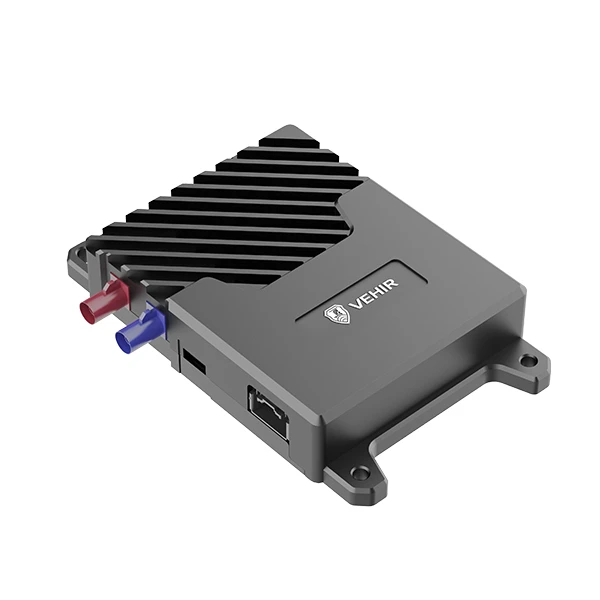
The ideal display resolution for in-cab thermal monitors is at least 640x480 pixels, with a brightness of 500 nits or higher. This ensures that the thermal images are clear and visible, providing essential data for safer driving.
The display resolution is critical. A higher resolution provides sharper images. A minimum resolution of 640x480 pixels is recommended. This allows drivers to identify potential hazards more effectively.
Brightness is equally important. The display needs to be bright enough to see in direct sunlight. A brightness level of at least 500 nits is ideal. This helps maintain visibility across different lighting conditions.
Fast response times contribute to better viewing experiences. A response time under 30 milliseconds ensures that the display updates in real-time. This allows drivers to react quickly to changes in the thermal image.
A wide viewing angle is essential for multiple drivers in a vehicle. An angle of at least 160 degrees is suggested. This helps ensure that those in the cab can see the display clearly without distortion.
In-cab thermal monitors must be durable. They should resist heat, moisture, and dust. Look for monitors with an IP rating of at least IP67 for enhanced durability. This ensures longevity in various conditions.
Modern thermal cameras often include features like Wi-Fi capability and integrated GPS. These can enhance functionality for better navigation and connectivity. Features that support video streaming can also improve the user experience.
In summary, the display resolution and brightness requirements for in-cab thermal monitors are vital for driving safety. A minimum display resolution of 640x480 pixels and a brightness of 500 nits are essential criteria for effective monitoring. Understanding these requirements can help improve visibility, safety, and performance on the road, making your experience with the thermal camera more effective.
1. What is the ideal resolution for an in-cab thermal monitor?
The ideal resolution is at least 640x480 pixels for clear images.
2. Why is brightness important in a thermal monitor?
Brightness is important to ensure visibility in different lighting conditions, especially in direct sunlight.
3. How do I choose a durable thermal monitor?
Look for monitors with an IP67 rating, which indicate good resistance to water and dust.
4. What additional features should I consider?
Consider features like Wi-Fi connectivity and GPS for enhanced functionality.
5. What is the importance of response time in thermal monitors?
A fast response time improves the display's ability to show real-time temperature changes, which is crucial for safety.
Dedicated to the development of global in vehicle infrared technology
If you would like to learn more about safe driving solutions, please contact us
News