
Industry News

Jul 10, 2026
Share:
When choosing between a 384x288 and a 640x480 automotive thermal camera, many people face a tough decision. Both cameras capture heat signatures, but they differ in performance. Understanding the differences in field of view, clarity, and detection range can help you make an informed choice. An automotive thermal camera is essential for night driving and detecting obstacles. Choosing the right one can enhance your safety on the road. For instance, thermal cameras offer valuable insights in low-light conditions. The challenge is knowing which camera fits your needs best.
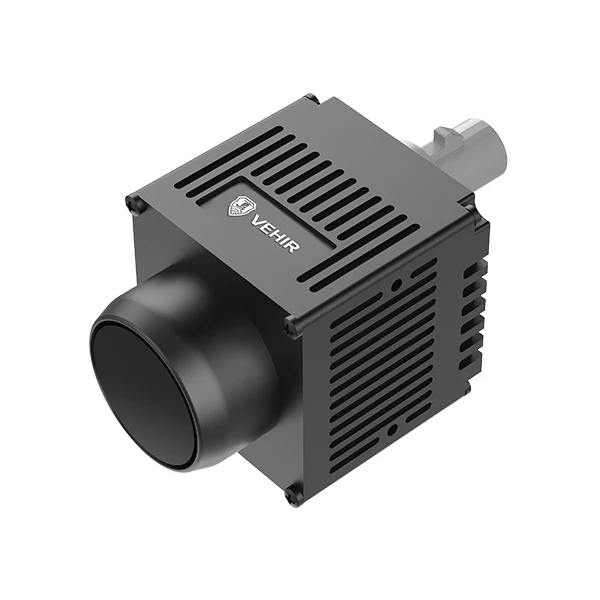
In summary, **the 640x480 automotive thermal camera provides a wider field of view and better image clarity than the 384x288 camera.** This makes it the preferred choice for professional applications, while the 384x288 model can suit budget-friendly needs.
The field of view (FOV) of a thermal camera affects what you can see. The 640x480 camera often has a wider angle. This allows the driver to spot obstacles sooner. For instance, a broader FOV may help detect pedestrians or animals at a greater distance.
Resolution is crucial for clarity. The 640x480 model offers four times the pixels compared to the 384x288 camera. Higher resolution means clearer images. This clarity helps in identifying objects like road signs and other vehicles.
Detection range refers to how far away an object can be identified. The 640x480 camera generally has a longer detection range. It can identify obstacles from further away, giving drivers more time to react. This is especially important in areas with high foot traffic.
The 384x288 camera is typically more budget-friendly. It is a good fit for those who want basic thermal imaging. However, the 640x480 camera, while more expensive, offers advanced features that justify the cost.
The 384x288 camera is perfect for personal use or small businesses. On the other hand, the 640x480 is suited for commercial fleets and emergency services. Each camera has its ideal application based on needs.
In conclusion, when looking at the field of view comparison between the 384x288 and 640x480 automotive thermal cameras, the differences are significant. The 640x480 camera has better resolution, wider field of view, and longer detection range. This makes it the better choice for safety on the road. However, the 384x288 camera is a cost-effective option for those who may not need higher-end features. Understanding these differences will help you choose the right thermal camera for your needs and vehicle safety.
A1: The main difference is the resolution and field of view. The 640x480 camera has higher resolution and provides a wider field of view compared to the 384x288 model.
A2: The 640x480 thermal camera is preferred for professional use due to its superior image quality and detection capabilities.
A3: Yes, 384x288 cameras are generally more affordable, while 640x480 models are more expensive but offer advanced features.
A4: For personal use, a 384x288 camera might suffice if you are looking for basic functionality without a high budget.
A5: Yes, both cameras are designed for low-light conditions and can be effective at night.
A6: Higher resolution improves clarity, allowing drivers to see obstacles earlier and react accordingly, thus enhancing safety.
Dedicated to the development of global in vehicle infrared technology
If you would like to learn more about safe driving solutions, please contact us
News