Industry News

Home - News - Industry News - Mounting Positions for Thermal Cameras with Integrated Displays in Trucks

Mounting Positions for Thermal Cameras with Integrated Displays in Trucks

Jul 27, 2026

Share:

Introduction

Mounting positions for thermal cameras with integrated displays in trucks can greatly affect their efficiency. Proper installation helps drivers monitor their surroundings safely, ensuring a smoother operation. Many truck operators face challenges regarding visibility in low light or adverse weather conditions. This is where thermal imaging plays a crucial role. These cameras allow for real-time temperature monitoring and obstruction detection. Understanding the best mounting positions can enhance effectiveness while also keeping costs low.
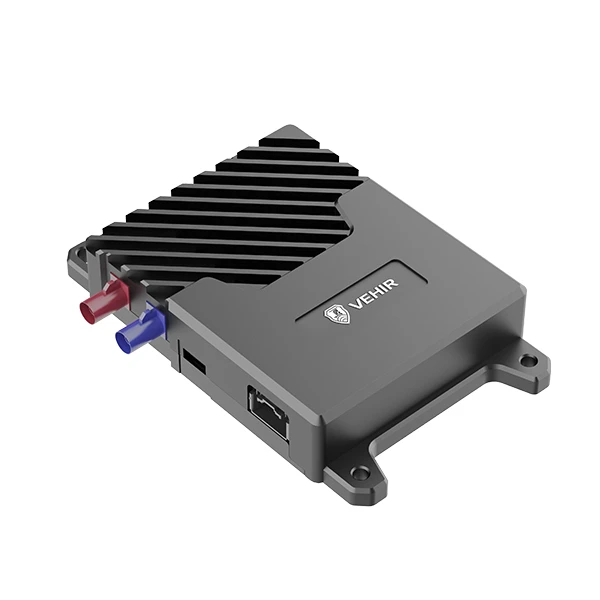
Mounting Positions for Thermal Cameras with Integrated Displays in Trucks

Summary Answer

The best mounting positions for thermal cameras in trucks are on the windshield, side mirrors, and rearview mirrors. These locations offer optimal visibility and accessibility for drivers, enhancing safety on the road.

1. Optimal Mounting Locations

1.1 Windshield Mounting

Mounting a thermal camera on the windshield provides an excellent view of the road ahead. This position allows for a clear line of sight, ideal for tracking objects and obstacles. Many drivers prefer this option to integrate their camera directly with their vehicle’s display.

1.2 Side Mirror Installation

Thermal cameras mounted on side mirrors enhance visibility to the sides of the truck. This helps in lane changing and monitoring blind spots. Side-mounted cameras can significantly reduce the chances of accidents by providing additional coverage.

1.3 Rearview Mirror Placement

Installing a thermal camera on the rearview mirror allows for monitoring not only what's behind the truck but also provides an unobstructed view for the driver. This placement can be particularly useful in tight spaces and reverse maneuvers.

2. Considerations for Choosing Mounting Positions

2.1 Camera's Viewing Angle

Consider the camera's optimal viewing angle when selecting a mounting position. A camera with a wider angle can capture more of the environment, making it safer for the driver.

2.2 Display Accessibility

The display of the thermal camera should be easily accessible to the driver. This ensures that crucial information is available without distraction. Mounting it too far away can make it difficult for the driver to monitor in real-time.

2.3 Weather Resistance

Ensure that the chosen mounting position protects the camera from the elements. Cameras that are too exposed to rain or snow may not function effectively. Proper weather-resistant features can prolong the camera's lifespan.

3. Comparison of Mounting Options

Mounting Position Visibility Safety Enhancement Cost-Effectiveness
Windshield High Excellent Moderate
Side Mirrors Medium High Low
Rearview Mirrors High Excellent Moderate

Conclusion

In conclusion, selecting the right mounting positions for thermal cameras with integrated displays in trucks is essential for enhancing safety and efficiency. Optimal locations, such as the windshield, side mirrors, and rearview mirrors, provide the best visibility. By considering factors like viewing angle, display accessibility, and resistance to weather, truck operators can make informed decisions that protect their investment and ensure safer journeys.

FAQ

What is the purpose of a thermal camera in trucks?

Thermal cameras help monitor the surroundings of the truck, especially in low visibility conditions, enhancing safety and awareness.

Can thermal cameras be mounted anywhere in a truck?

While thermal cameras can be mounted in various locations, it is crucial to choose positions that provide the best visibility and accessibility.

How do I maintain a thermal camera?

Regularly check for dirt or obstructions on the lens and ensure the display is functioning correctly to maintain the effectiveness of the thermal camera.

Previous:

How to Evaluate Screen Visibility for Daytime Use in Thermal Camera Systems

Next:

Display Resolution and Brightness Requirements for In-Cab Thermal Monitors

Dedicated to the development of global in vehicle infrared technology

If you would like to learn more about safe driving solutions, please contact us

News

Vehicle-mounted infrared cameras: Safety value and application prospects driven by regulations
How Automotive Night Vision Systems Detect Pedestrians Beyond Headlight Range
All-in-One Thermal Camera Systems: Pros and Cons for Fleet Operators
How to Evaluate Screen Visibility for Daytime Use in Thermal Camera Systems
Mounting Positions for Thermal Cameras with Integrated Displays in Trucks
Display Resolution and Brightness Requirements for In-Cab Thermal Monitors

Vehicle-mounted infrared cameras: Safety value and application prospects driven by regulations

Explore how global automotive safety regulations are accelerating the adoption of vehicle-mounted infrared cameras. Learn how LWIR and NIR technologies enhance night vision, pedestrian detection, automatic emergency braking (AEB), and driver monitoring systems for safer intelligent driving.

Jul 30,2026

How Automotive Night Vision Systems Detect Pedestrians Beyond Headlight Range

Navigating at night can pose significant challenges, particularly when it comes to spotting pedestrians beyond headlight range. As a driver, I’ve often felt the anxiety of not being able to see clearly at night, and I’m sure you’ve experienced this too. Fortunately, automotive thermal night vision systems like those from VEHIR are revolutionizing nighttime driving. In this article, I will

Jul 30,2026

All-in-One Thermal Camera Systems: Pros and Cons for Fleet Operators

In today's competitive logistics and transportation industry, fleet operators are increasingly turning to all-in-one thermal camera systems to enhance their operations. These advanced systems, equipped with thermal imaging and video display capabilities, promise improved safety, efficiency, and monitoring. However, understanding the pros and cons of these technologies is crucial for making an

Jul 29,2026

How to Evaluate Screen Visibility for Daytime Use in Thermal Camera Systems

Thermal cameras operate differently in daytime conditions due to light interference. Evaluating screen visibility ensures optimal performance and usability, enabling better decision-making in various scenarios.

Jul 28,2026

Mounting Positions for Thermal Cameras with Integrated Displays in Trucks

Mounting positions for thermal cameras with integrated displays in trucks can greatly affect their efficiency. Proper installation helps drivers monitor their surroundings safely, ensuring a smoother operation. Many truck operators face challenges regarding visibility in low light or adverse weather conditions. This is where thermal imaging plays a crucial role. These cameras allow for real-time

Jul 27,2026

Display Resolution and Brightness Requirements for In-Cab Thermal Monitors

Heat detection is essential in automotive applications, especially when using an in-cab thermal monitor. These devices help drivers see temperature variations in real time. An effective thermal camera must have the right display resolution for clarity and sufficient brightness to be seen in various lighting conditions. Poor quality can lead to dangerous situations, especially at night or in

Jul 24,2026