Industry News

Jul 22, 2026
Share:
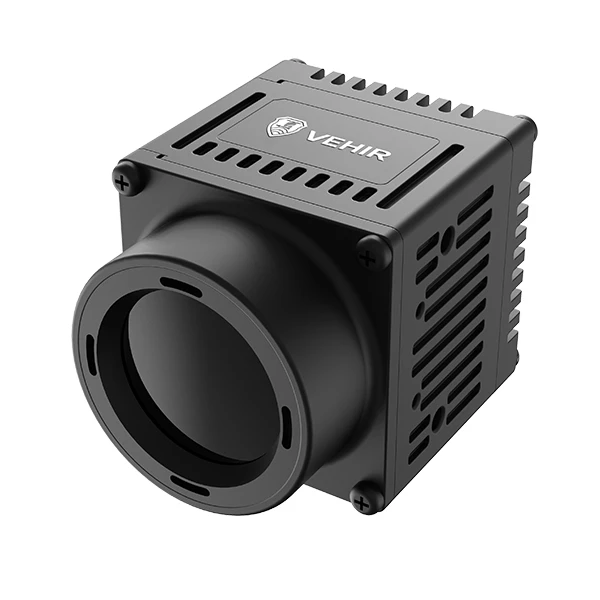
Thermal cameras are specialized devices that utilize infrared radiation to create images based on heat signatures. This technology is increasingly being utilized in vehicles to improve night driving safety.
There are primarily two types of thermal cameras used for automotive applications: standalone thermal cameras and display-integrated thermal cameras. Each type has its unique features and advantages.
| Parameter | Standalone Cameras | Display-Integrated Cameras |
|---|---|---|
| Image Quality | High-resolution thermal images | Moderate quality, dependent on vehicle display |
| Battery Life | Typically longer due to dedicated power sources | Often relies on car's electrical system |
| Installation Complexity | May require professional installation | Easier installation as part of existing display system |
| Price Range | Usually more expensive | More affordable, potentially bundled with other features |
Standalone thermal cameras are ideal for serious drivers, commercial transporters, or those living in areas with frequent low visibility conditions, who prioritize superior performance and reliability.
Display-integrated thermal cameras are more suitable for casual drivers or those looking for an economical solution, providing a balance between cost and basic thermal imaging benefits.
In conclusion, both standalone and display-integrated thermal cameras have their unique strengths and weaknesses. Depending on your priorities and driving conditions, you can select the one that fits your needs best. For more information on automotive thermal cameras, check out VEHIR.
Dedicated to the development of global in vehicle infrared technology
If you would like to learn more about safe driving solutions, please contact us
News