Industry News

Sep 04, 2026
Share:
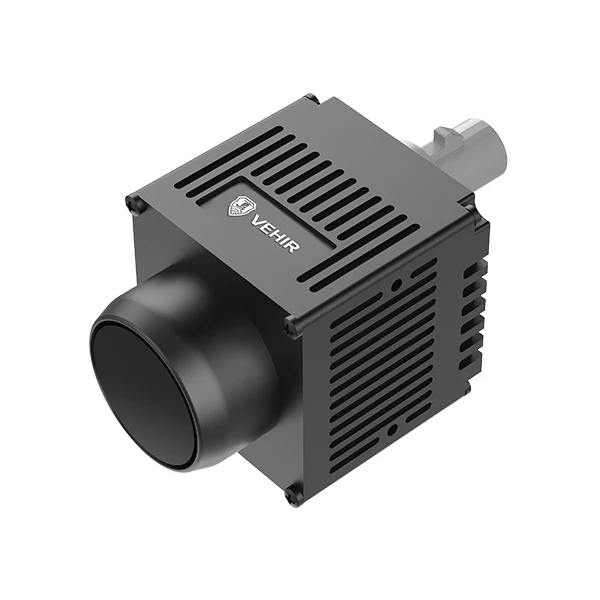
When it comes to enhancing your vehicle's safety during low-light conditions, understanding the differences between aftermarket thermal cameras, such as the 384x288 automotive thermal camera from VEHIR, and factory-installed night vision systems can significantly improve your decision-making process. Navigating this landscape can be confusing, but I’m here to guide you through actionable steps that will help you choose the right system tailored to your needs while addressing common user problems effectively.
To make informed decisions, start by critically assessing your requirements. Identify the specific applications you'll be using your thermal camera for, such as towing, off-roading, or everyday commuting. This assessment will help you understand the necessary features and functionality you require in either an aftermarket or factory night vision system.
Begin by comparing the specifications of both systems. Aftermarket options like VEHIR's 384x288 automotive thermal camera often boast advanced precision features—an essential attribute for detailed safety measures. Here are key performance indicators to consider:
Exploring these specifications can clarify which system will best meet your needs.
Next, consider installation complexities. Aftermarket thermal cameras often require more effort to install than factory systems, which come pre-installed and integrated into your vehicle's wiring system. However, I recommend leveraging available installation guides or professional services, which can simplify this process. Here’s a brief checklist for installation:
Cost analysis is another crucial factor. Aftermarket cameras, while potentially costing less upfront, may involve hidden expenses like installation fees or additional equipment. Conversely, factory systems typically come with warranty coverage but may be more expensive overall. Create a comparison table outlining:
This breakdown will allow you to visualize and evaluate the long-term financial implications.
While upgrading to an aftermarket system can be beneficial, challenges may arise, including installation difficulties or compatibility issues. To overcome these hurdles:
To enhance your execution efficiency, consider utilizing these tools:
To summarize, evaluating whether an aftermarket thermal camera by VEHIR or a factory night vision system is right for you involves:
By following these steps, you’ll make a well-informed decision that enhances your vehicle safety, improving visibility and performance during challenging driving conditions. Start your journey towards better visibility and safety today by exploring quality options like the 384x288 automotive thermal camera. Remember, the right choice now could save you from costly mistakes later.
For further information, visit VEHIR’s site at VEHIR Tech to discover top-tier thermal camera solutions that cater specifically to your needs.
Dedicated to the development of global in vehicle infrared technology
If you would like to learn more about safe driving solutions, please contact us
News