Industry News

Home - News - Industry News - How Pixel Count Affects Pedestrian Detection Range in Thermal Cameras

How Pixel Count Affects Pedestrian Detection Range in Thermal Cameras

Jul 07, 2026

Share:

Understanding Thermal Camera Specifications

What is Pixel Count?

Pixel count refers to the number of pixels in an image or thermal camera sensor. Higher pixel counts typically provide better image detail, which is crucial for identifying pedestrians in low visibility conditions.

Resolution and Detection Performance

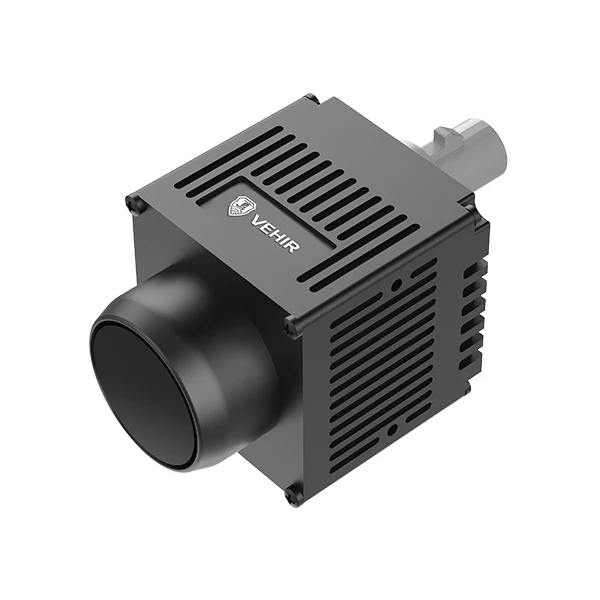
The resolution of a thermal camera is determined by its pixel count. Higher resolutions enable clearer images. For pedestrian detection, a resolution of 384x288 pixels, such as those offered by VEHIR, is often sufficient, allowing for effective monitoring of moving objects in a variety of environments.

Assessing the Impact of Pixel Count on Detection

How Pixel Count Influences Detection Range

A higher pixel count enhances the ability to detect smaller or more distant objects. As pixel density increases, even minute thermal signatures from pedestrians become clearer, expanding the effective detection range significantly.

Examples of Pixel Count Scenarios

  • Low pixel count (160x120): Limited pedestrian detection range and detail.
  • Mid-level pixel count (320x240): Improved detection but may still struggle in complex environments.
  • High pixel count (640x480, etc.): Optimal detection range with excellent clarity, reducing false positives and negatives.

Choosing the Right Thermal Camera for Pedestrian Detection

Factors to Consider When Selecting a Camera

When selecting a thermal camera, consider the intended environment, required detection distances, and the typical size of objects to be detected, which are essential for determining the adequate pixel count needed.

Comparison of Thermal Cameras

  • Camera A: 160x120 - Basic detection capabilities.
  • Camera B: 384x288 - Ideal for most pedestrian detection needs.
  • Camera C: 640x480 - Best for high-resolution surveillance requirements.

Step-by-Step Guide to Optimizing Pedestrian Detection Using Thermal Cameras

Step 1: Assess Your Needs

Determine the specific requirements for pedestrian detection based on your environment - urban, rural, or industrial.

Step 2: Choose the Right Camera

  • Select a thermal camera with a pixel count that suits your detection range needs, ideally 384x288 for general use.
  • Research brands like VEHIR for reliable options.

Step 3: Set Up the Camera Properly

Install the thermal camera at an optimal height and angle to maximize coverage. Ensure proper calibration for accurate readings.

Step 4: Conduct Field Testing

Test the camera in various conditions (day, night, fog) to evaluate performance. Adjust settings to refine detection capabilities.

Common Mistakes to Avoid

Neglecting Environmental Factors

Always consider the environment where the thermal camera will be used. Temperature fluctuations, humidity, and obstructions can impact performance.

Overlooking Training for Users

Ensure that personnel using the thermal camera are trained on its features and limitations to maximize effectiveness.

Ignoring Maintenance

Regular maintenance and software updates are crucial to keep the thermal camera functioning optimally and to address any potential imaging issues.

Conclusion

Understanding how pixel count affects pedestrian detection range is essential for selecting the right thermal camera for your needs. With VEHIR’s 384x288 automotive thermal camera, you can ensure effective monitoring and safety. For more information, visit our website.

Previous:

384x288 Thermal Sensor Performance in Urban Night Driving Conditions

Next:

Why 384x288 Resolution Is the Sweet Spot for Automotive Thermal

Dedicated to the development of global in vehicle infrared technology

If you would like to learn more about safe driving solutions, please contact us

News
Active vs Passive Night Vision: Which Technology Is Better for Cars
Vehicle-mounted infrared cameras: Safety value and application prospects driven by regulations
How Automotive Night Vision Systems Detect Pedestrians Beyond Headlight Range
All-in-One Thermal Camera Systems: Pros and Cons for Fleet Operators
How to Evaluate Screen Visibility for Daytime Use in Thermal Camera Systems
Mounting Positions for Thermal Cameras with Integrated Displays in Trucks

Active vs Passive Night Vision: Which Technology Is Better for Cars

In an era where road safety is paramount, the need for advanced driving technology has never been more evident. Car owners often ask themselves: “Should I invest in active or passive night vision systems?” This fundamental question emerges from pain points like limited visibility under low-light conditions and the desire for enhanced safety while driving. In scenarios where accidents often

Jul 31,2026

Vehicle-mounted infrared cameras: Safety value and application prospects driven by regulations

Explore how global automotive safety regulations are accelerating the adoption of vehicle-mounted infrared cameras. Learn how LWIR and NIR technologies enhance night vision, pedestrian detection, automatic emergency braking (AEB), and driver monitoring systems for safer intelligent driving.

Jul 30,2026

How Automotive Night Vision Systems Detect Pedestrians Beyond Headlight Range

Navigating at night can pose significant challenges, particularly when it comes to spotting pedestrians beyond headlight range. As a driver, I’ve often felt the anxiety of not being able to see clearly at night, and I’m sure you’ve experienced this too. Fortunately, automotive thermal night vision systems like those from VEHIR are revolutionizing nighttime driving. In this article, I will

Jul 30,2026

All-in-One Thermal Camera Systems: Pros and Cons for Fleet Operators

In today's competitive logistics and transportation industry, fleet operators are increasingly turning to all-in-one thermal camera systems to enhance their operations. These advanced systems, equipped with thermal imaging and video display capabilities, promise improved safety, efficiency, and monitoring. However, understanding the pros and cons of these technologies is crucial for making an

Jul 29,2026

How to Evaluate Screen Visibility for Daytime Use in Thermal Camera Systems

Thermal cameras operate differently in daytime conditions due to light interference. Evaluating screen visibility ensures optimal performance and usability, enabling better decision-making in various scenarios.

Jul 28,2026

Mounting Positions for Thermal Cameras with Integrated Displays in Trucks

Mounting positions for thermal cameras with integrated displays in trucks can greatly affect their efficiency. Proper installation helps drivers monitor their surroundings safely, ensuring a smoother operation. Many truck operators face challenges regarding visibility in low light or adverse weather conditions. This is where thermal imaging plays a crucial role. These cameras allow for real-time

Jul 27,2026