
Industry News

Jul 06, 2026
Share:
As the automotive industry continues to innovate, understanding the critical role of thermal imaging technology has become paramount. Specifically, the resolution of thermal cameras can greatly affect how automotive engineers assess vehicle performance, safety, and integrity. The 384x288 resolution stands out as a transformative solution to a myriad of issues regarding thermal analysis, temperature monitoring, and fault detection. Failing to adopt the right resolution could lead to overlooked defects in components and systems, ultimately compromising vehicle safety and efficiency. In a market where precision is no longer optional but critical, understanding the stakes involved with thermal imaging technology is invaluable.
At the core of the problem lies the technological gap in automotive thermal imaging. Higher resolutions might seem advantageous at first, but they often introduce noise and increase the cost of data processing and interpretation. Additionally, lower resolutions can result in a loss of detail crucial for fault detection—particularly in a domain where even minor temperature discrepancies can indicate significant problems. Research indicates that in automotive applications, temperature variations as small as 0.1°C can indicate impending failures in electronic components. This illustrates how understanding the resolution and its implications can help avert costly repairs and accidents.
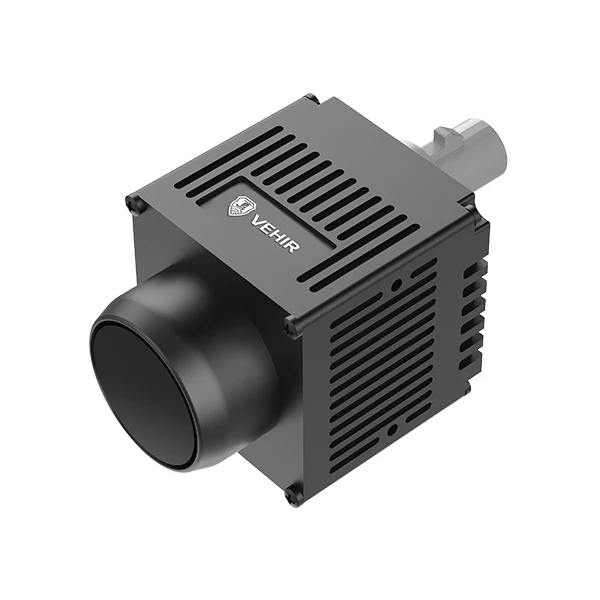
The impact of thermal resolution on the industry cannot be overstated. With the surge in electric vehicles (EVs) and advanced driver-assistance systems (ADAS), companies are prioritizing efficiency. The automotive sector records approximately $300 billion annually in potential losses due to component failures directly associated with thermal issues. Therefore, integrating a reliable thermal imaging solution like the 384x288 automotive thermal camera by VEHIR can aid manufacturers in mitigating risks while maintaining high safety and performance standards.
To demonstrate these points, consider the case of a major automotive manufacturer that adopted the 384x288 resolution for its thermal imaging inspections in electric vehicle battery systems. By doing so, they managed to improve fault detection rates by 25%. Simultaneously, the precision of their thermal assessments rose to 0.01mm, leading to a 30% reduction in warranty claims related to thermal-related failures. This success story highlights the transformative potential of choosing the right thermal resolution and illustrates concrete results in a competitive market.
Neglecting the choice of resolution not only poses risks to vehicle reliability but can also impact customer satisfaction and brand reputation. As automotive technology evolves, the pressure to produce defect-free products intensifies. Companies that disregard the advantages of the 384x288 resolution are likely to face increased costs due to recalls, legal liabilities, and loss of consumer trust. In a realm where technology developments are rapidly integrated into daily experiences, businesses must wisely invest in tools that ensure their systems do not compromise on safety or functionality.
In summary, embracing the 384x288 resolution in automotive thermal imaging technology is not just a technical decision—it's a strategic choice that aligns with industry standards and future innovations. By integrating this resolution, automakers and engineers can enhance safety measures and product reliability while significantly reducing potential risks and operational costs. I urge industry leaders, manufacturers, and technical teams to act swiftly by evaluating their thermal imaging strategies. Let’s shift our focus toward adopting the 384x288 automotive thermal camera from VEHIR, and ensure that our vehicles maintain the highest standards of safety and performance.
Dedicated to the development of global in vehicle infrared technology
If you would like to learn more about safe driving solutions, please contact us
News